
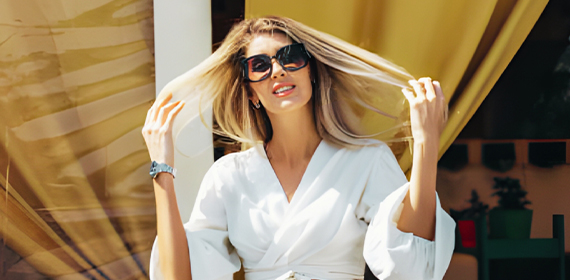
Style That Speaks: How to Find Dresses That Truly Match Your Personal Aesthetic
Fashion is not just about clothing; it’s more importantly about how you present yourself to the world. It’s a reflection of yourself! Among all wardrobe choices, dresses have a unique place. Dresses have the power of immediately defining your overall look and with minimal effort.
Nevertheless, there are endless styles, colors, and trends that are available. Thus, finding a dress that genuinely aligns with your personal aesthetic is truly overwhelming. You should abstain from chasing every trend.
Instead understand your personal preferences and make thoughtful choices only. With this guide, you’ll walk through how to identify your personal aesthetic and select a dress that naturally complements it. This can help you build a wardrobe that feels both cohesive and authentic.
What Is a Personal Aesthetic?
The visual expression of your taste is your personal aesthetic. This is primarily influenced by your lifestyle, personality, and the environments that you move in daily. Moreover, your choice of colors, silhouettes, fabrics, and even small details like prints or finishes is reflected by the same.
Some common aesthetics that you can include are:
- Minimalist
- Classic
- Romantic
- Bohemian
- Edgy
- Contemporary
Fitting strictly in one category is not mandatory. People have complete liberty of blending elements from multiple aesthetics and create something that feels uniquely theirs.
Start by Understanding Your Lifestyle
Your daily life has a strong influence on your clothing choice. Before you purchase any dress, make sure to consider it.
You should ask yourself the following key questions:
- Where do I spend majority of my time?
- Do I need outfits for professional settings, casual outings, or events?
- How important is comfort in my daily routine?
If your routine involves long workdays and commuting, structured but comfortable dresses will suit you better. Don’t select elaborate or high-maintenance styles. Aligning your wardrobe with your lifestyle can help you maintain consistency in your aesthetic.
Identify Colors That Reflect Your Style
One of the strongest indicators of personal aesthetic is color. So, how do you narrow it down? Here are a few tips.
- Look at your existing wardrobe, what shades dominate?
- Notice which colors you feel confident wearing
- Consider tones that complement your skin undertone
Some aesthetic-based color directions in this case include the following:
- Minimalist: Neutrals like black, white, beige, and grey
- Romantic: Soft pastels, blush tones, and muted florals
- Edgy: Dark tones, deep reds, and monochrome palettes
- Bohemian: Earthy shades like rust, olive, and mustard
You must choose dresses with a consistent color palette, which makes mixing and matching easier. Besides, it helps in keeping the overall looks cohesive to a greater extent as well.
Pay Attention to Silhouettes
Your dress’ shape has a crucial role to play in defining its aesthetic as well. Some common silhouettes and their impacts are given below:
- A-line: Balanced and versatile
- Bodycon: Sleek and modern
- Wrap: Effortlessly refined
- Flowy maxi: Relaxed and expressive
- Structured midi: Polished and contemporary
You should understand what feels natural to you, and for that, try different cuts. Sticking to the right silhouette will mean that it will suit your body shape and align with your needs better. You can present yourself like you want to actually!
Choose Fabrics That Match Your Vibe
How your dress is perceived is subtly influenced by the fabric of the dress. Common fabric choices and their aesthetics are given below:
- Cotton and linen: Relaxed and breathable, ideal for casual aesthetics
- Silk and satin: Smooth and elegant, suitable for refined styles
- Knit fabrics: Comfortable and modern
- Chiffon: Light and romantic
Your aesthetic and your comfort level both depend on your fabric choice. Too restrictive or too delicate materials don’t align with your routine, and don’t align with your long-term style either.
Look for Signature Details
A dress can feel uniquely yours due to the details that it carries. Your aesthetic is better defined by small elements than the overall design. Some examples of signature details include:
- Puff sleeves for a romantic touch
- Clean seams for a minimalist look
- Asymmetrical cuts for a contemporary feel
- Embroidery or prints for a bohemian vibe
When shopping, notice which details you’re naturally drawn to. Over time, these preferences will help you identify patterns in your choices.
Build Inspiration Without Copying
People generally look at social media, magazines, or fashion platforms for inspiration for dresses. Nevertheless, your goal should not be to replicate someone else’s style. Instead, you should focus on refining your own.
A practical approach in this case is to:
- Save outfits that resonate with you
- Identify common elements across those looks
- Adapt those elements to suit your comfort and lifestyle
You can stay inspired with this method, while maintaining your individuality appropriately.
Prioritize Versatility Within Your Aesthetic
You should get a dress that is practical enough to wear on multiple occasions, apart from aligning with your aesthetics as well.
So, what should you look for? Here are a few things:
- Styles that can transition from day to evening
- Designs that pair easily with different footwear
- Pieces that can be layered if needed
Versatile dresses help you maintain consistency without overloading your wardrobe.
Avoid Trend-Driven Decisions
While trends are appealing, but they fail to align with your personal aesthetic in the long run. Instead, you must take note of the following:
- Focus on timeless elements that reflect your style
- Choose trends selectively, only if they fit your aesthetic
- Avoid impulse purchases based solely on popularity
This approach ensures that your wardrobe remains relevant and cohesive over time.
Evaluate Fit and Comfort
If your dress doesn’t fit well or feel uncomfortable, a highly aesthetically aligned dress is of no use. You must ensure the following key considerations:
- Proper sizing and tailoring
- Ease of movement
- Breathability of fabric
Comfort plays a major role in confidence, and confidence is what truly brings your aesthetic to life.
Create a Consistent Wardrobe Story
When your dresses align with your aesthetic, your wardrobe begins to tell a consistent story. This is how you can achieve this:
- Stick to a defined color palette
- Choose complementary silhouettes
- Maintain a balance between statement and subtle pieces
This doesn’t mean every dress should look the same, it simply means they should feel connected.
Experiment, Then Refine
Finding your personal aesthetic is an evolving process. It’s okay to experiment with different styles before narrowing down your preferences.
- Try new silhouettes occasionally
- Introduce one new design element at a time
- Reflect on what works and what doesn’t
Over time, you’ll naturally gravitate toward dresses that feel right.
Practical Examples of Aesthetic-Based Dress Choices
To make things easier, here are a few examples of how different aesthetics translate into dress choices:
- Minimalist: A neutral-toned midi dress with clean lines and no embellishments
- Romantic: A flowy dress with soft prints and delicate detailing
- Edgy: A fitted dress in darker shades with sharp cuts
- Bohemian: A relaxed maxi dress with earthy tones and subtle patterns
- Classic: A structured dress in timeless colors with simple tailoring
These examples can serve as a starting point when exploring your own preferences.
Common Mistakes to Avoid
While building your wardrobe, be mindful of these common pitfalls:
- Buying dresses that don’t match your existing wardrobe
- Ignoring comfort in favor of appearance
- Choosing overly complicated designs that are hard to style
- Following trends without considering long-term wearability
Avoiding these mistakes can help you maintain a clear and consistent aesthetic.
Final Thoughts
Finding dresses that match your personal aesthetic is not about limiting your choices, it’s about refining them. By understanding your preferences, lifestyle, and visual identity, you can make more intentional decisions that simplify your shopping experience.
The goal is to create a wardrobe where every dress feels like a natural extension of who you are. When your clothing aligns with your aesthetic, getting dressed becomes easier, more enjoyable, and far more consistent.
With a thoughtful approach, you can build a collection of dresses that not only look cohesive but also feel authentically yours, every single time you wear them.